
"arabica spread"
3000 article(s) found
Basic knowledge of Fine Coffee an overview of the history of Yemeni coffee
Coffee scientific name: Coffea arabica), also known as coffee tree, Arabica coffee, etc., is the national flower of Yemen. Before the 6th century in the park, Yemen was called Arab, so the coffee trees transported from them to other places were also called Arabian coffee trees. The name coffee comes from the Arabic Qahwah, which means plant drink. Later, the coffee spread all over the world, and it was picked.
Historical and Cultural stories of three kinds of Coffee beans introduction to the Flavor characteristics of Arabica Coffee beans
Liberica (Liberica) Coffee is recognized as the third largest coffee variety in the coffee trade. It is also grown at low elevations. This kind of coffee is produced in Africa and is exported only to Europe. It is also a cheap coffee. It is very similar to Robus (Robusta). Robusta comes from a high yield and is not susceptible to disease.

Boutique Coffee Raw beans the latest Coffee Bean introduction Coffee Raw Bean History details
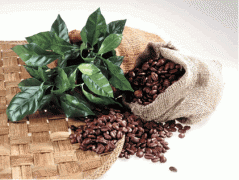
Raw coffee beans are the seeds of coffee trees. It is the wealth hidden in coffee cherries (coffee berries) that people usually call coffee cherries. They are mistakenly called beans because they are similar to the beans we usually see, but they are actually the seeds of coffee. Usually there are two flat oval coffee beans in the coffee berries, and there is only one in a few coffee berries.

Do you know the characteristics of growing coffee in Arabica? what conditions do you need to grow Arabica?
Professional coffee knowledge exchange more coffee bean information Please pay attention to coffee workshop (Wechat official account cafe_style) Coffee comes from the Greek word Kaweh, which means strength and enthusiasm. Coffee tree belongs to the evergreen shrub of Rubiaceae. There are about 40 species of coffee plants, but only Arabica and Robusta are the commercial coffee beans that can be used for human drinking or food industry.
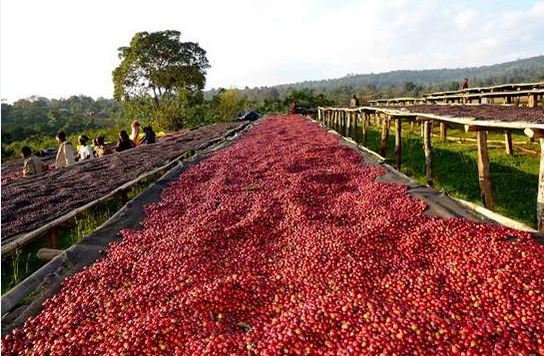
The history of coffee, what is coffee cherry (Coffee Cherry)? What red cherry project?
The historical monks of red cherries and sheep coffee beans were first discovered and eaten by locals on the African continent. From 575 BC to 850 BC, coffee spread from Ethiopia to the Arab region, and there are many speculations about the spread process, one is that the indigenous Africans brought coffee beans to Arabia during the migration, and the other is that the Sufi, a religious giant and famous for its plunder,

Flavor characteristics of coffee from producing area description of coffee bean flavor
After coffee beans spread to all parts of the world, due to the different climate, soil quality, planting methods and processing methods, the taste of coffee beans can be said to be completely different. Here is a list of the basic flavor characteristics of Arabica coffee beans from different producing areas (it should be noted that the flavor of coffee produced by different producing areas and different farms in the same place will be different. Some people usually think that coffee
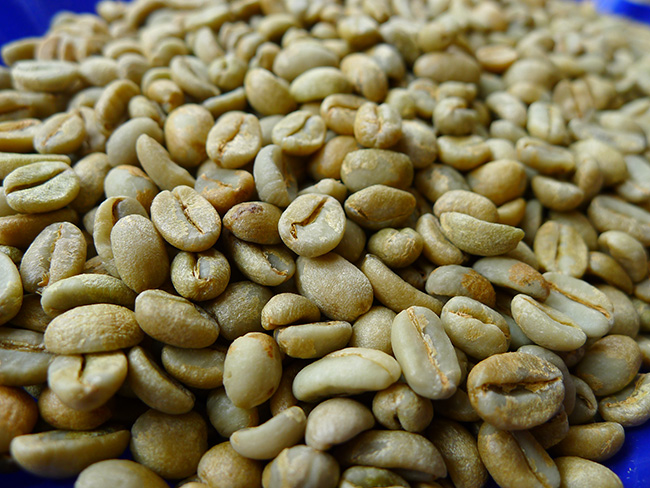
The cultivation of coffee beans the history of coffee beans the cultivation of raw coffee beans
Coffee raw beans are the seeds of coffee trees. It is the wealth hidden in coffee cherries (coffee berries) that people usually call coffee cherries. They are mistakenly called beans because they are similar to the beans we usually see, but they are actually the seeds of coffee. There are usually two flat oval coffee beans in the coffee berries, and a small number of coffee berries

Indonesian coffee Asian coffee has a higher body than Central and South American and African beans
Asian coffee is more full-bodied than Central and South American and African beans, but less sour, with a hint of heavy wood, herbs, spices and earth, and a deep, smoky aroma over an elevated acid aroma. At the end of the seventeenth century, the Dutch East India Company transplanted the Arabica tree (tibica) from India to Jakarta, Java. Due to the favorable climate and soil conditions, Arabica soon spread to Sumatra on Java Island.
Basic flavor characteristics of coffee beans from different major producing areas
After coffee beans spread to all parts of the world, due to the different climate, soil quality, planting methods and processing methods, the taste of coffee beans can be said to be completely different. Here is a list of the basic flavor characteristics of Arabica coffee beans from different producing areas (it should be noted that the flavor of coffee produced by different producing areas and different farms in the same place will be different. Some coffee products are generally believed to be

Basic flavor characteristics of coffee beans from different major producing areas
After coffee beans spread to all parts of the world, due to the different climate, soil quality, planting methods and processing methods, the taste of coffee beans can be said to be completely different. Here is a list of the basic flavor characteristics of Arabica coffee beans from different producing areas (it should be noted that the flavor of coffee produced by different producing areas and different farms in the same place will be different. Some coffee products are generally believed to be

What is the difference between iron pickup coffee beans and Arabica coffee beans? Characteristics of Arabica coffee bean producing area and taste
Iron pickup coffee bean is one of the varieties of Arabica coffee, and the earliest coffee variety found is Arabica. According to biology, coffee varieties are divided into three major varieties: Arabica, Robusta, and Liberika. Arabica coffee is the first kind of coffee discovered by people. Arabica coffee accounts for now.

Three kinds of Arabica coffee beans, the historical flavor and taste of Arabica coffee beans are different.
Professional coffee knowledge exchange more coffee bean information Please pay attention to the coffee workshop (Wechat official account cafe_style) the parietal leaf of the iron truck is bronze is one of the characteristics, the beans are large, pointed oval or thin. Everyone is familiar with Manning, Blue Mountain, Elephant Dou, Kona, Yunnan Dou and so on.

The spread and Development of Coffee in China-papers on Coffee
The spread and Development of Coffee in China-for Chinese people, coffee and instant coffee have been two interchangeable terms for a long time. Until tea restaurants such as Starbucks in the United States and Hong Kong entered, people began to realize that coffee was not instant coffee, but something else. What is it? It's fashion. It's an abstraction within Starbucks.

Yunnan Arabica coffee bean types of iron pica
One. Iron pickup is also known as the old variety of small coffee, its yield is small, cultivation difficulty is large, so the price is much higher than ordinary small coffee. Tibica coffee is native to Ethiopia and southeastern Sudan and is the most widely cultivated coffee variety in the Western Hemisphere. The plants are more robust, but less tolerant to light, and yield more in Hawaii. The top leaf of Tibika is red copper color, which is called red top coffee. Emperor
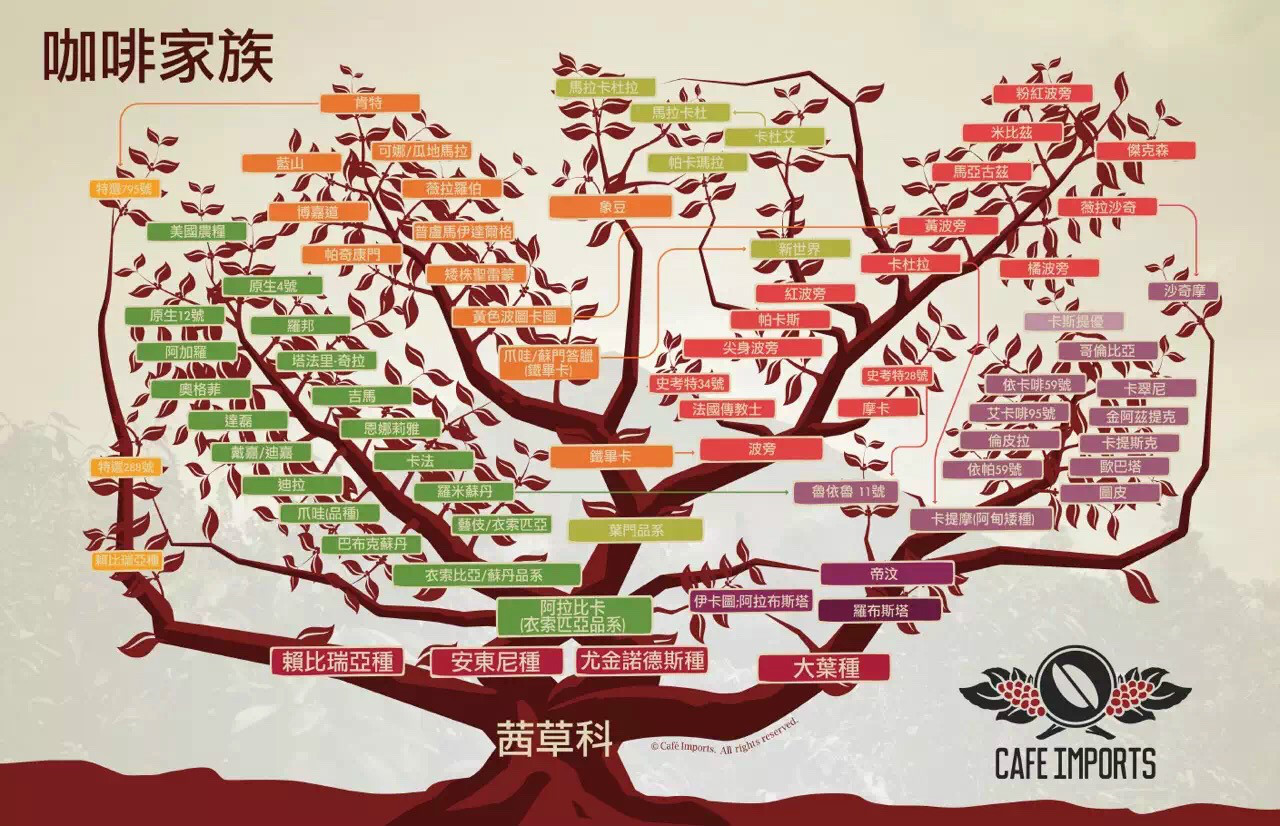
Arabica coffee bean variety iron pickup coffee bourbon coffee Rosa coffee which tastes better
Professional coffee knowledge exchange more coffee bean information please follow the origin of coffee in coffee workshop (Wechat official account cafe_style) Coffee: Africa is currently recognized as the birthplace of coffee the world's first coffee tree was found in the KAFFA province of Ethiopia in Africa. Local indigenous tribes often grind the fruit of coffee and knead it with animal fat to make Xu.

Indonesian coffee Asian coffee has a higher alcohol thickness than Central and South America and African beans.
The mellow thickness of Asian coffee is higher than that of Central and South American and African beans, but its sour taste is lower, with slightly sunken wood, herb, spice and earthy flavor, and its low and stuffy aroma is higher than that of rising sour flavor. At the end of the 17th century, the Dutch East India Company transplanted Indian Arabica trees (Tibica) to Jakarta, Java. Due to the favorable climate and soil, Arabica quickly spread to Sumatra in Java.
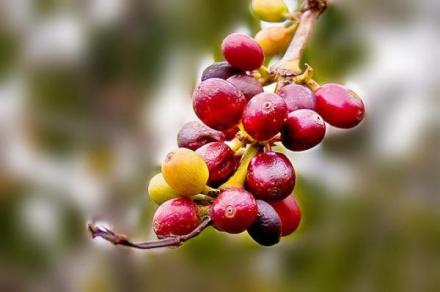
Basic flavor characteristics of coffee beans from major producing areas around the world
After coffee beans spread to all parts of the world, due to the different climate, soil quality, planting methods and processing methods, the taste of coffee beans can be said to be completely different. Here is a list of the basic flavor characteristics of Arabica coffee beans from different producing areas (it should be noted that the flavor of coffee produced by different producing areas and different farms in the same place will be different. Some coffee products are generally believed to be

What is the development of small-grain coffee and its coffee history
Small grain coffee, also known as Arabica (Arabica), originated in Ethiopia, improved and cultivated from the Arabian Peninsula, is the most primitive and traditional Arabica coffee variety. Characteristics of native small-grain coffee: granules

Spread of coffee beans Costa Rica plus DOTA Tara beads & #160; roasting degree
Even in the same producing country, it will have a subtle influence on the flavor and quality of coffee beans and produce their own characteristics because of the differences in climate, altitude and soil quality in different regions. Therefore, it will have different attributes according to different varieties, producing areas and brands; therefore, it is impossible to describe the characteristics of coffee beans in a country in one sentence.
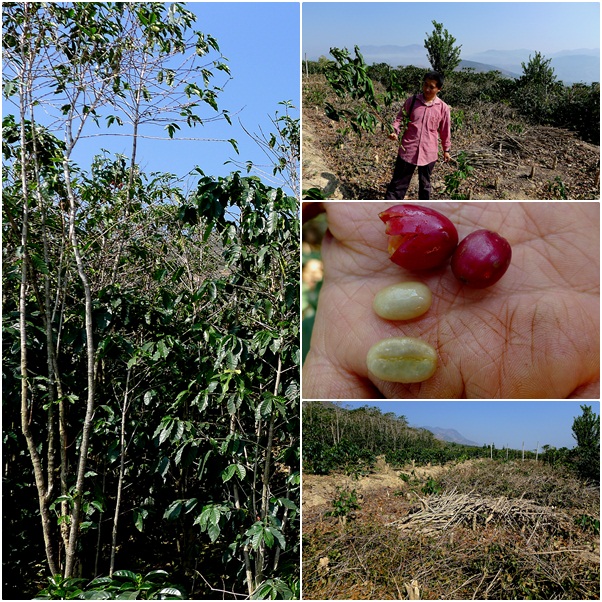
Yunnan small grain coffee the history of Yunnan small grain coffee
Yunnan small-grain coffee taste: when Yunnan small-grain coffee is imported, you first taste a hint of sweet and bitter taste, the nose is full of coffee aroma similar to the smell of flowers, and there is a slight sour taste on both sides of the tongue. If you continue to taste it, the sour taste will spread to the cheeks, but it is very light and quiet. If you like to drink strong coffee, there will be a powerful throb of temples and heart, which is exciting. Drink cloud